7PINThe standard road lights.
Also called 12N, a 7-pin socket provides indicators, brake lights, tail and number-plate lights, and rear fog lights.
It does not provide reversing lights, caravan-fridge power or leisure-battery charging. It may suit a trailer or cycle carrier with a compatible lighting board.
13PINLighting, with more possibilities.
A 13-pin socket combines road lighting, including reversing lights, with provision for supplementary power in one connection. It is common on newer caravans, trailers and some newer bike racks.
Caravan-fridge power and battery charging require the appropriate additional circuits. A 13-pin socket alone does not guarantee these functions: tell us what you need so your quote includes the right wiring.
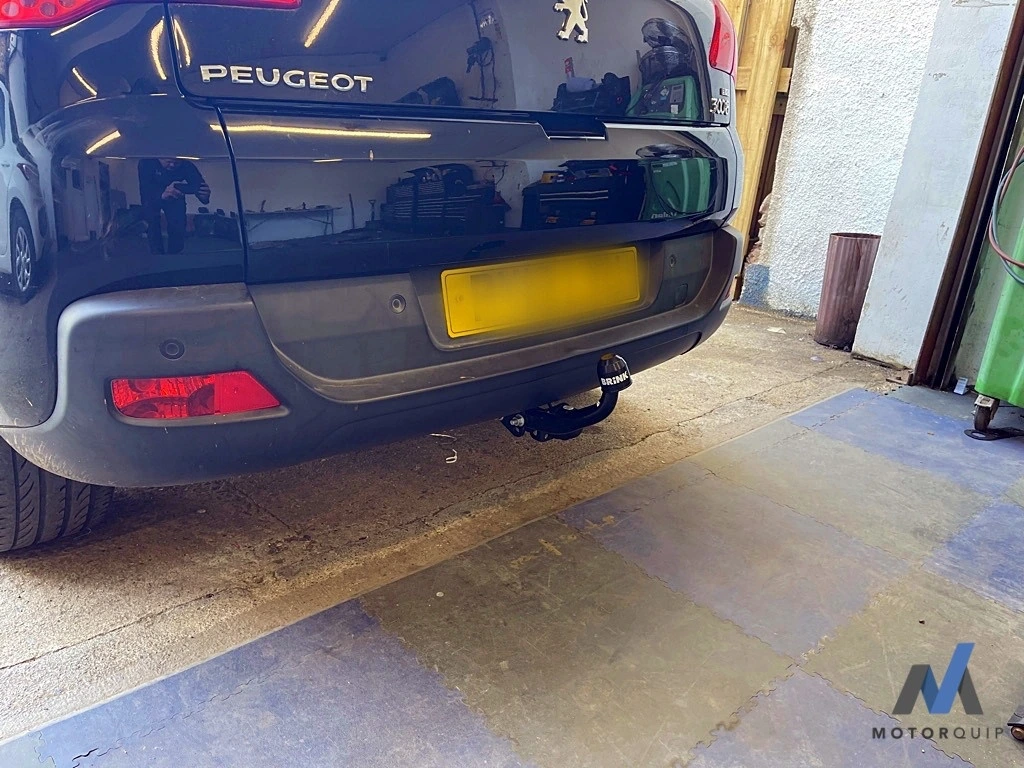
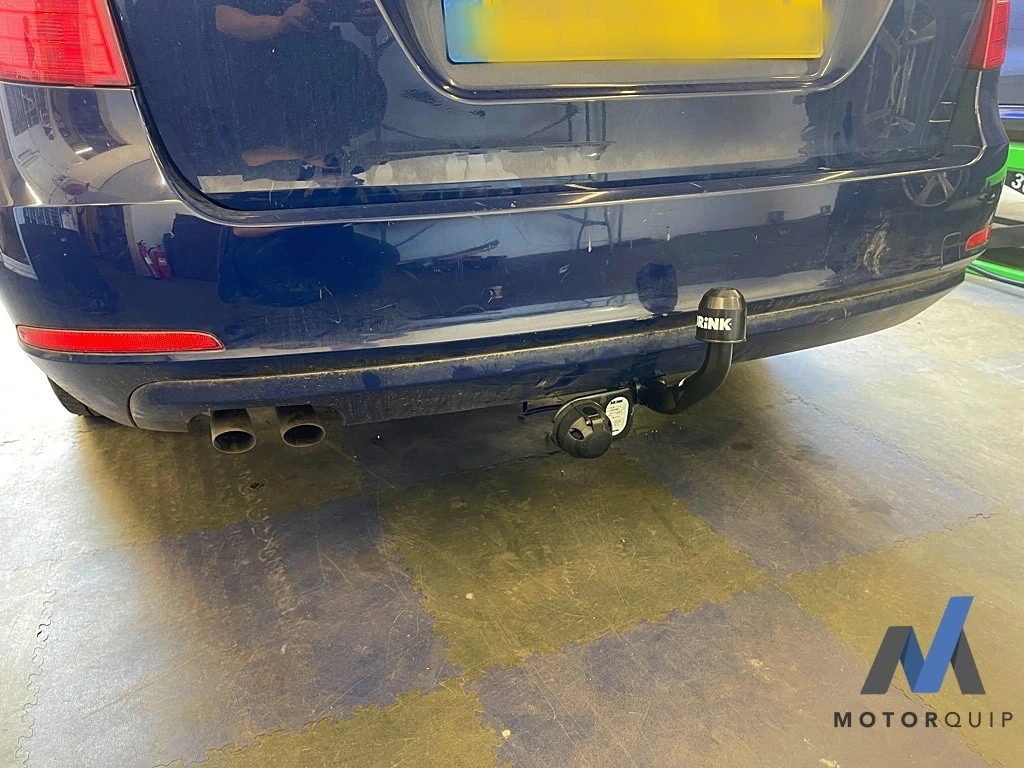
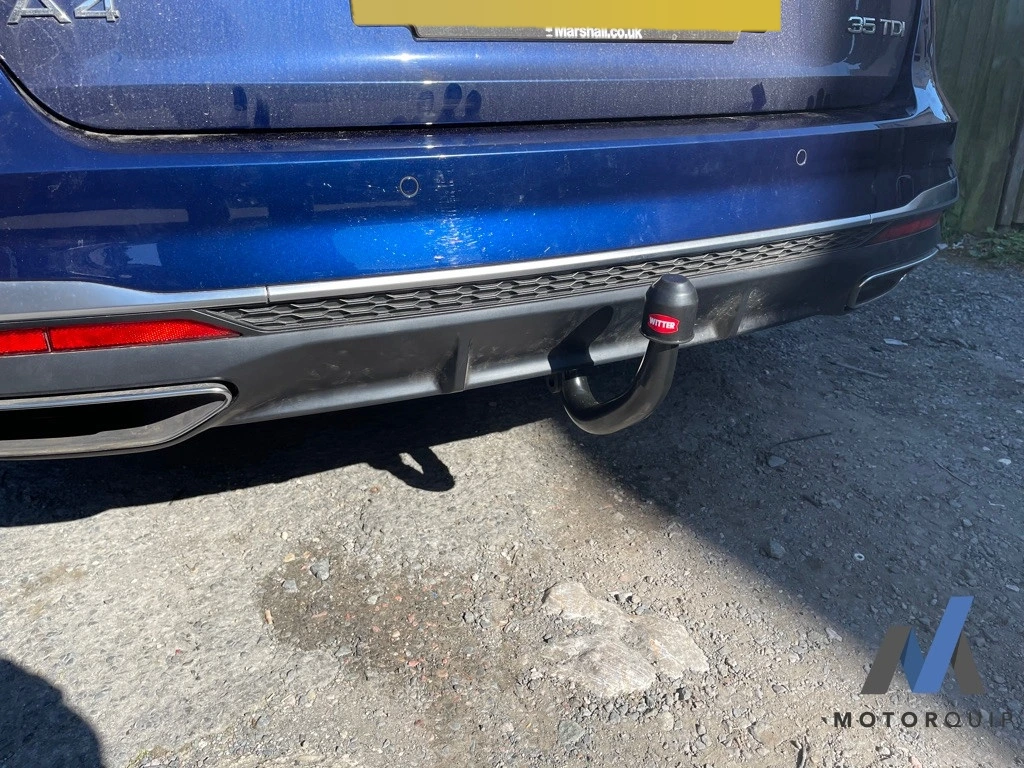
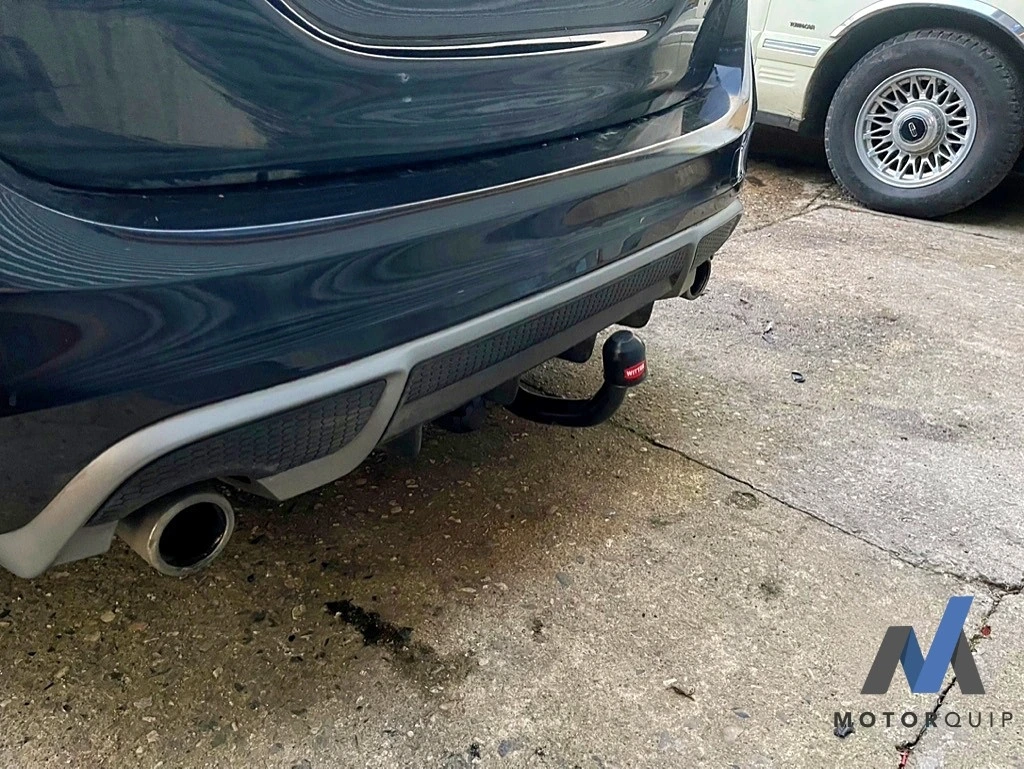
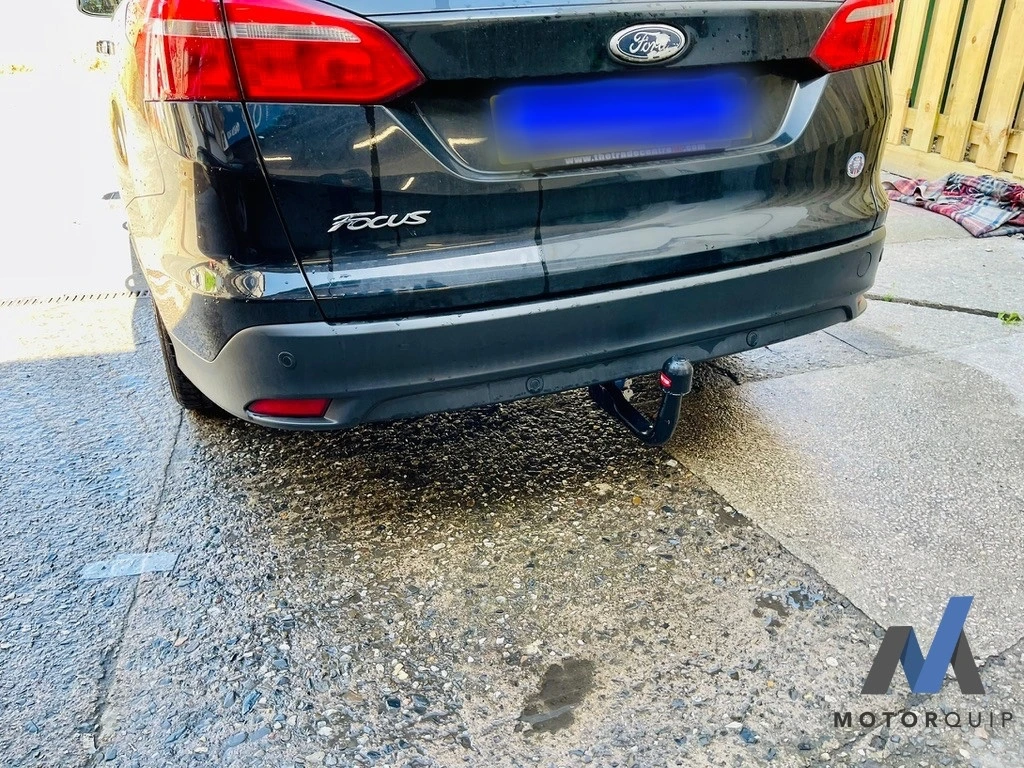
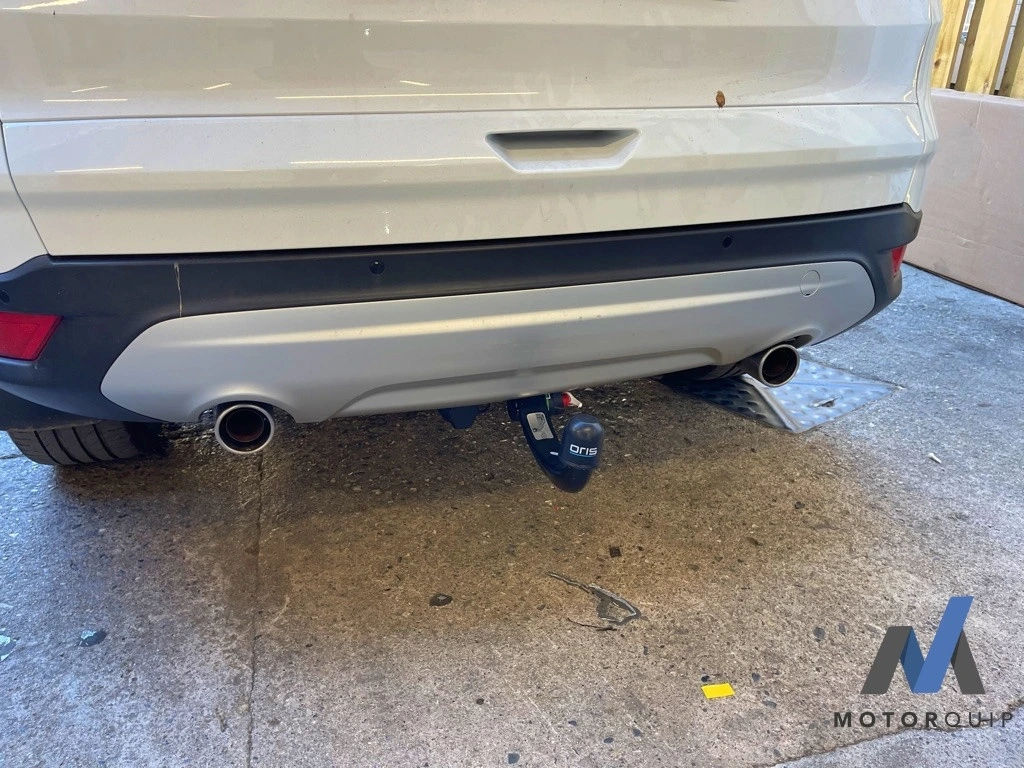
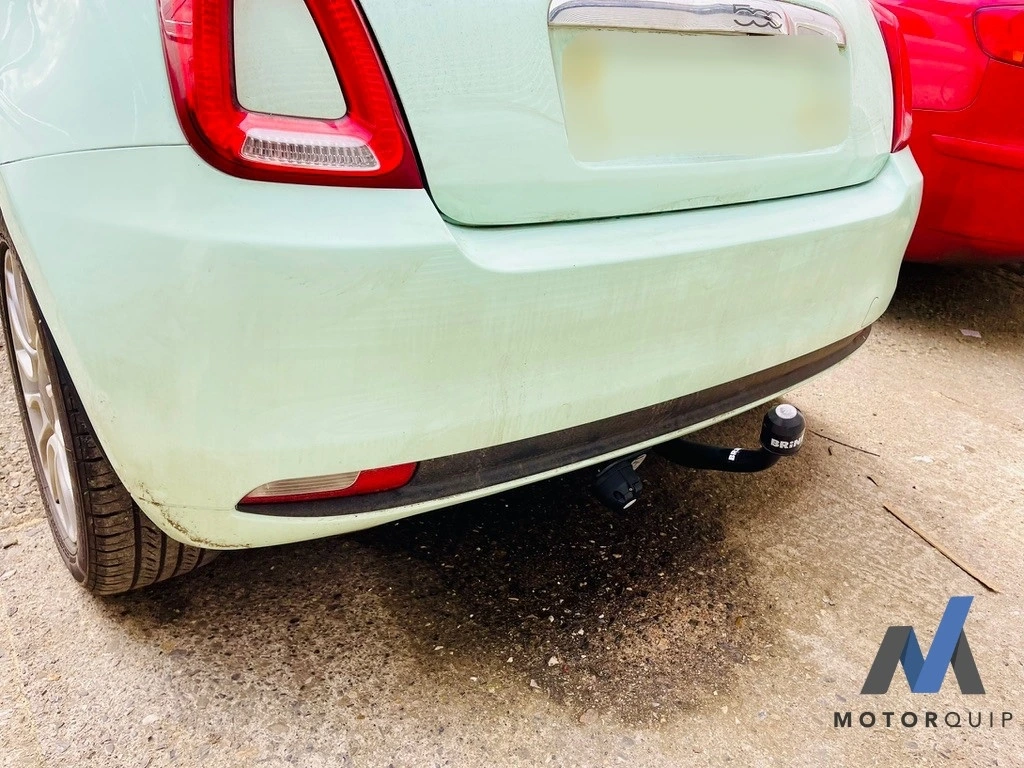
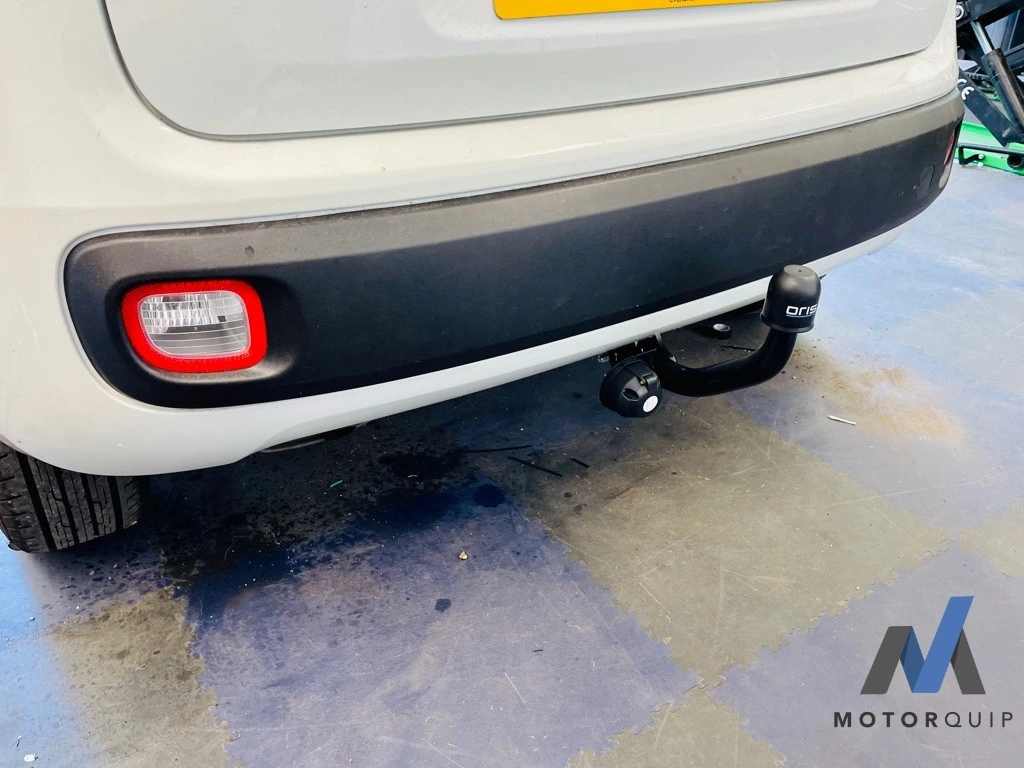
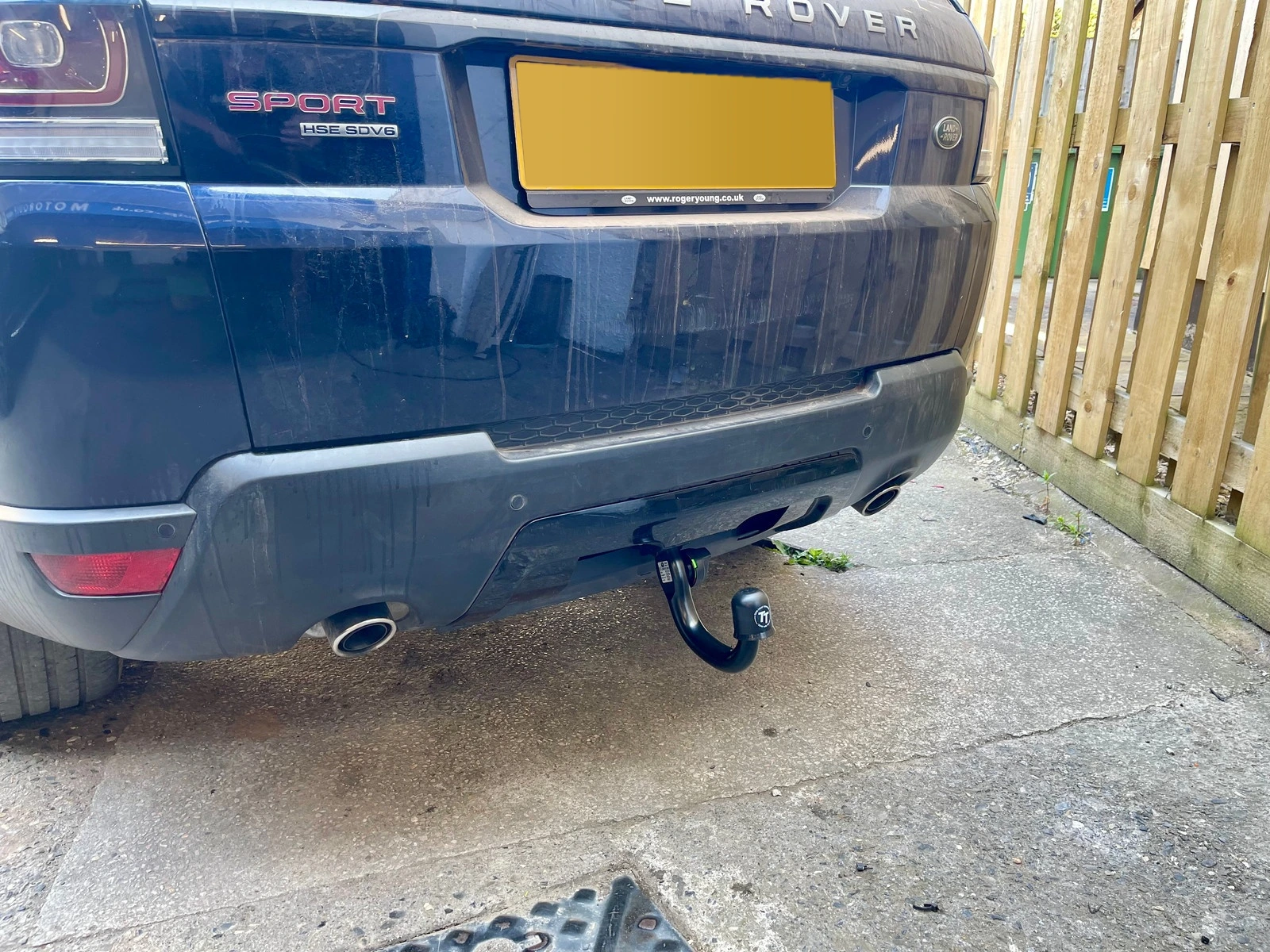
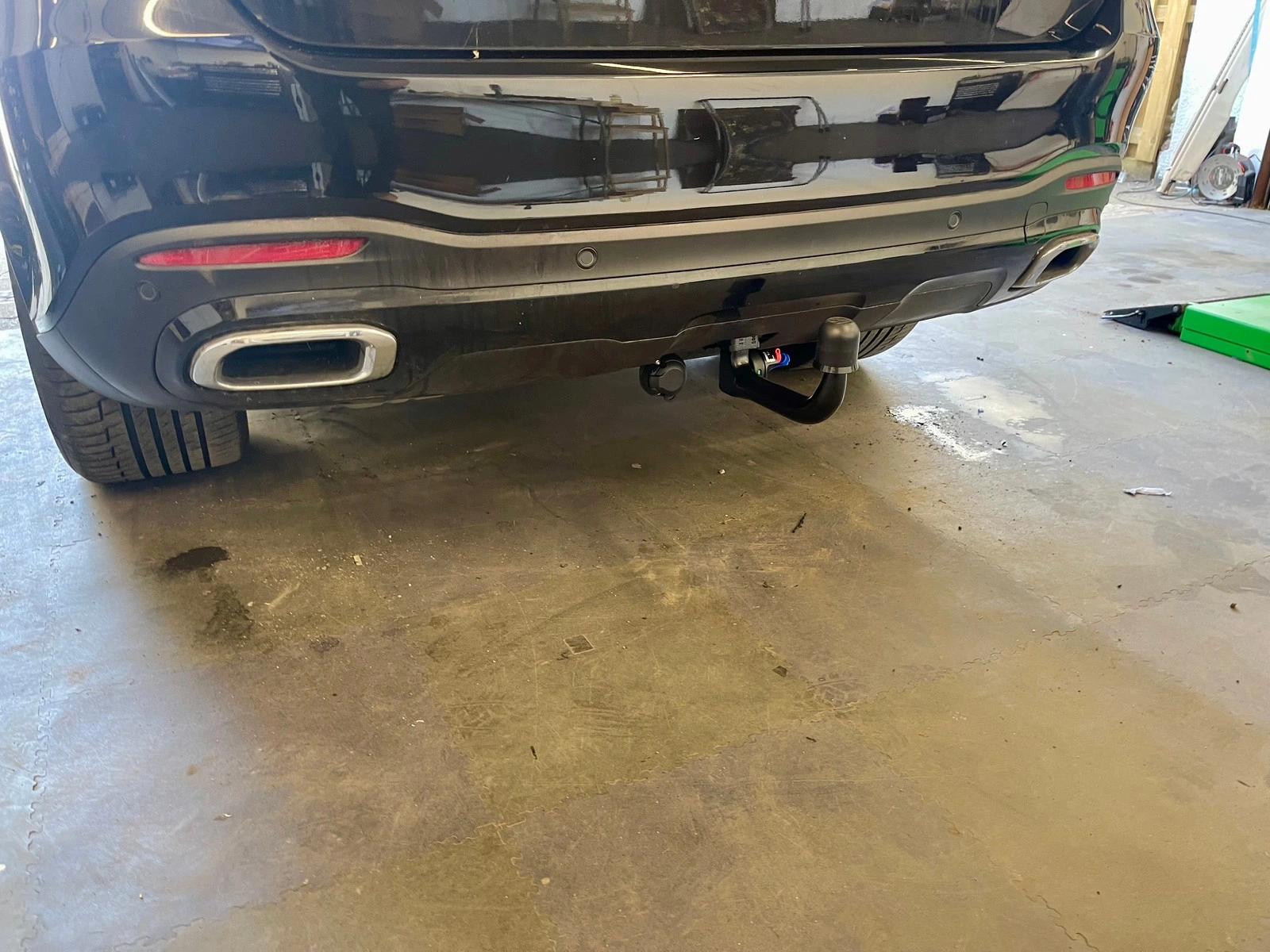
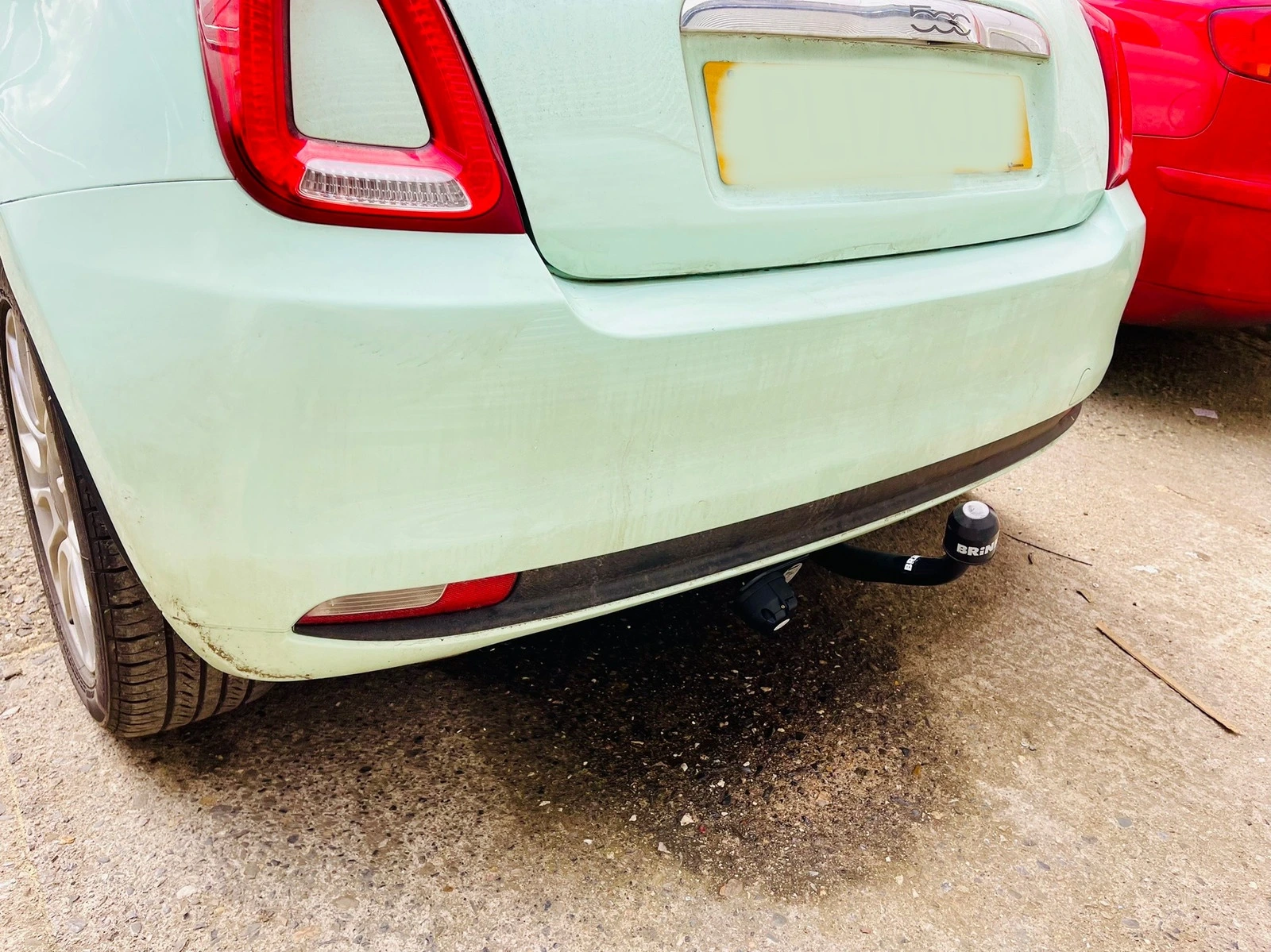
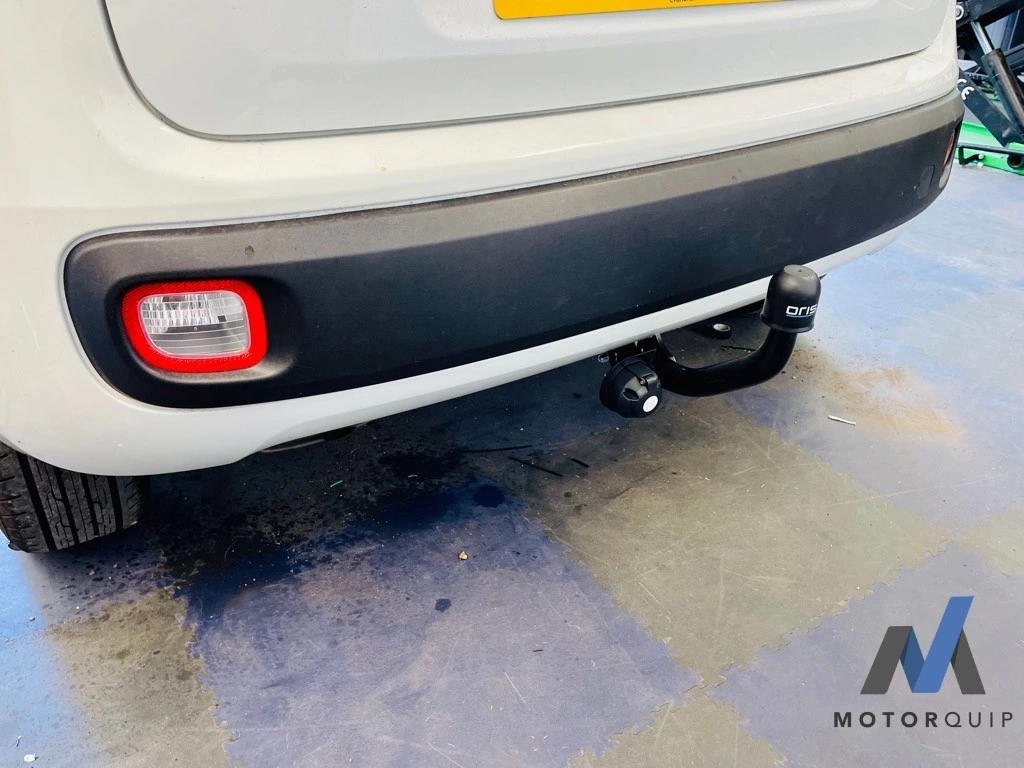
Some detachable installations have a folding socket plate that can tuck behind the bumper.
Caravans
Newer caravans commonly use 13-pin. Older caravans may have two 7-pin plugs: a 12N plug for road lights and a 12S plug for supplementary functions.
We no longer fit new twin-socket setups. For an older caravan with two plugs, we use a suitable 13-pin-to-twin-7-pin splitter and check the caravan’s age, wiring and required power supplies.
Bike racks
Older racks often use 7-pin; some newer racks use 13-pin. We match the socket or adapter to the rack’s plug and fitted lights.
An adapter may be suitable, but a rack needing reversing lights cannot gain that circuit from a vehicle wired only for 7-pin.
Trailers
Trailers can have either 7-pin or 13-pin connections. The correct choice depends on their lighting and any other electrical requirements.
A suitable adapter can join different plug types where the required circuits are already available.
An adapter changes the connector; it cannot add missing reversing-light, power or battery-charging circuits.